Tips & Tricks for Skylights Rooflights
Skylights: Everything You Need to Know Before Installing
Skylights have the ability to transform interior spaces by boosting natural light and enhancing airflow. They are available in a range of styles, each tailored to various architectural demands. Still, those considering a purchase must evaluate factors like location, roofing compatibility, and maintenance requirements. While the benefits are clear, issues may surface once installation is complete. Being aware of these factors is vital for anyone thinking about adding this feature to their home. What should homeowners know before making this important decision?
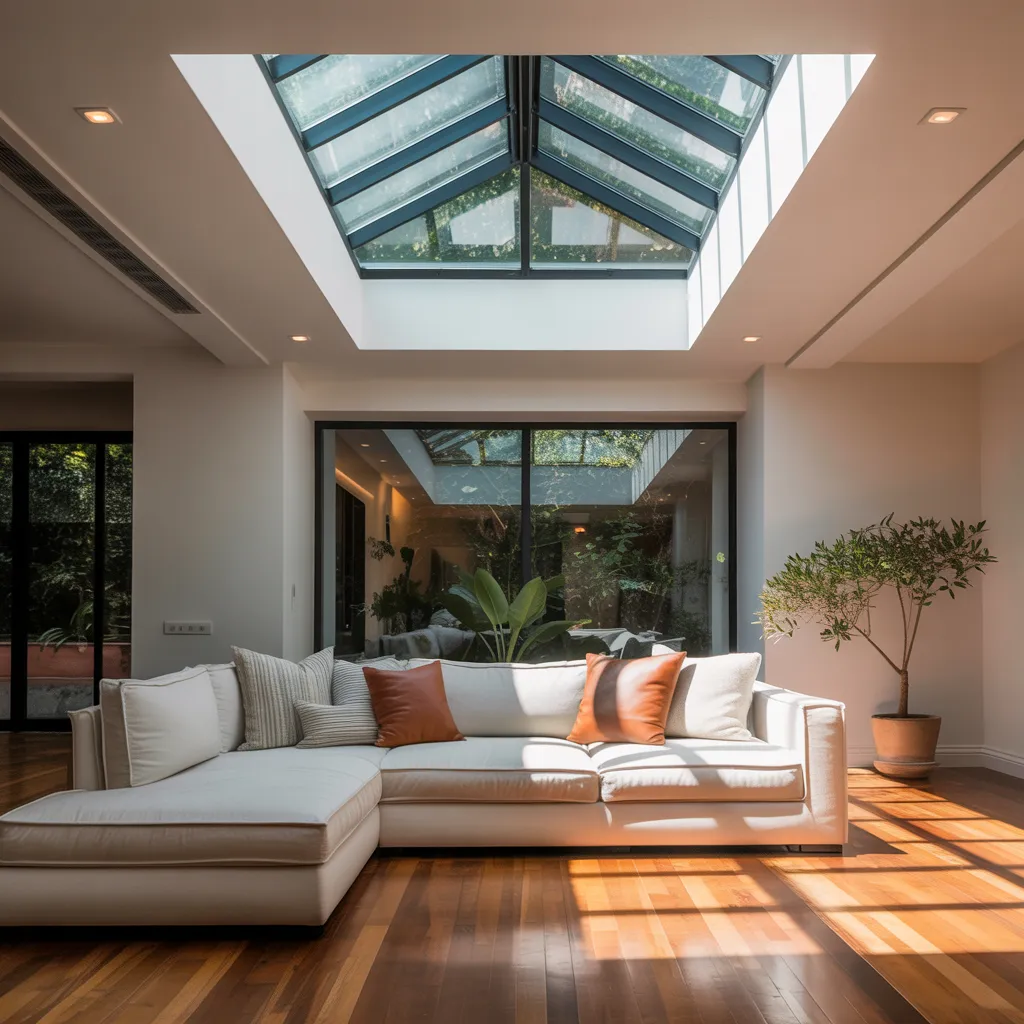
Why Skylights Make an Excellent Addition to Your Home
Skylights have the ability to transform a shadowy area into a light-filled, appealing environment, enhancing both aesthetics and functionality. By enabling natural light to stream inside, they generate a feeling of spaciousness and expand the visual dimensions of a room. This boost in brightness not only uplifts mood but may also lessen the need for artificial light sources, contributing to notable savings on energy consumption.
Moreover, skylights can enhance ventilation, particularly when operable options are chosen, supporting proper air flow and creating a healthy indoor environment. They can also act as a distinctive architectural element, bringing beauty and distinction to different architectural styles.
In addition to practical advantages, skylights can enhance the overall ambiance, creating a more comfortable living space. Many homeowners discover that the integration of these elements fosters a bond with the outdoors, enhancing their daily routine. All things considered, skylights are a valuable addition that blends beauty with practicality, making them a excellent consideration for any home upgrade initiative.
Discovering Various Skylight Styles
In the domain of skylights, multiple styles provide unique benefits suited to a range of requirements. Fixed skylights present an easy option for boosting natural illumination, while ventilated skylights promote air circulation and regulate temperature. Tubular skylights, alternatively, are intended for limited spaces, expertly collecting and distributing natural light.
Overview of Fixed Skylights
Natural light plays an essential role in enhancing the ambiance of any space, and fixed skylights present a sophisticated option for channeling sunlight into your home. These skylights are sealed installations that remain fixed in place, yet they effectively illuminate rooms with natural light. Available in various shapes and sizes, fixed skylights can be tailored to complement diverse architectural designs, from modern to traditional. They are typically made of durable materials such as tempered glass or acrylic, providing durability and resilience against harsh weather conditions. Fixed skylights also help reduce energy costs by minimizing the need for artificial lighting during the day. Perfect for hallways, living areas, or kitchens, these skylights establish a radiant, spacious feel while improving the overall look of a home.
Benefits of Ventilated Skylights
Whereas fixed skylights supply ample natural light, ventilated skylights present an added bonus by enabling airflow and climate regulation. These skylights can be opened manually or automatically, facilitating fresh air circulation and reducing indoor humidity. This function can considerably boost home comfort, especially in warmer months, by encouraging a more comfortable atmosphere. Ventilated skylights also help enhance energy efficiency, as they may decrease the need for air conditioning systems. Additionally, they contribute to better indoor air quality by enabling stale air to be released. Homeowners can appreciate the twofold benefits of natural illumination and ventilation, making these skylights an excellent choice for spaces that require both illumination and climate management. Altogether, ventilated skylights represent a worthwhile enhancement for any home.
Tubular Skylight Characteristics
Tubular skylights, also known as solar tubes, are a distinctive option for residents seeking to enhance sunlight in compact areas. These installations are made up of a highly reflective tube that directs sunlight from a roof-mounted dome into indoor spaces, successfully lighting spaces without extensive structural modifications. Coming in a range of sizes, they can easily fit into narrow spaces such as closets, hallways, and bathrooms. Sun tubes also feature energy-saving designs, commonly featuring insulated materials to reduce heat loss. Select models include adjustable light diffusion, permitting homeowners to manage light intensity. Additionally, they are generally easier and less expensive to put in relative to conventional skylights, making them a popular selection for those looking to improve their living spaces with natural light.
What to Consider Before Installing Skylights
What factors should homeowners weigh before installing skylights? First, the placement and direction of the skylight are critical. South-facing skylights can bring in significant sunlight, while north-facing choices provide more diffused light. Homeowners need to take into account the roof material and overall structure; not all roofing systems are able to handle skylight installations without adjustments.
In addition, the weather plays a crucial role. In places with substantial precipitation and snowfall, the design and sealing are crucial to stop water from seeping through. Another concern involves energy efficiency, as incorrect installation may result in unwanted heat transfer.
Lastly, reviewing local building codes and regulations is essential to guarantee adherence. Seeking advice from qualified professionals can deliver important insights and assist in avoiding potential challenges during the installation process. By carefully considering these factors, homeowners can make informed decisions regarding their skylight projects.
Discovering the Benefits and Possible Downsides of Skylights
Investigating the pros and cons of skylights highlights a relationship between increased natural illumination and certain drawbacks. A notable benefit is the abundance of natural light, which can create a more inviting and spacious atmosphere, possibly decreasing the reliance on artificial lighting throughout the day. Skylights may also enhance airflow, aiding in controlling indoor climate conditions and elevating air quality.
However, there are limitations to evaluate. Incorrect installation may cause leaks, which can trigger water damage and mold growth. Moreover, skylights can raise indoor temperatures in warmer months, resulting in elevated air conditioning costs. The servicing of skylights, which includes seal inspection and cleaning, can also be more challenging than conventional windows. Overall, understanding these benefits and drawbacks is crucial for homeowners contemplating skylight installation, allowing them to make educated decisions that align with their needs and preferences.
Common Skylight Problems and How to Resolve Them
Skylights can enhance natural light in a space, but they also introduce a number of potential issues. Frequent problems such as leaks, condensation, and faulty installation are often encountered, which can reduce their efficiency and functionality. Being aware of these challenges and the appropriate solutions for addressing them is essential for maintaining a functional skylight.
Common Skylight Complications
A great number of homeowners experience frequent problems with skylights that can affect both aesthetics and functionality. One prevalent concern involves leaks, frequently stemming from incorrect installation or worn-out seals. This may result in water damage and the development of mold. A further issue involves condensation, which develops when warm and moist air encounters the colder surface of the skylight, resulting in unsightly valuable guide water droplets. Furthermore, inadequate insulation may cause energy loss, producing unpleasant indoor temperature variations. Excessive sunlight glare may present difficulties as well, making rooms uncomfortably bright and causing fading of furniture and decor. In addition, the accumulation of dirt and debris may impede light flow, diminishing the skylight's effectiveness. Tackling these concerns without delay is vital for sustaining the benefits that skylights provide in a home.
Expert Repair Solutions
Addressing common skylight issues requires effective repair solutions to restore both functionality and aesthetics. Leaks, a common issue, frequently result from faulty installation or weather exposure. To correct this, homeowners are advised to check the flashing and seals, swapping out compromised components with superior materials. Additionally, condensation can be mitigated by ensuring proper ventilation in the surrounding area, thereby preventing moisture buildup. Cracked or damaged glass may necessitate replacement, while minor issues can sometimes be repaired with sealants designed for skylights. Consistent care, involving cleaning and evaluation, can also diminish the probability of recurring complications. By applying these measures, homeowners can improve the durability and efficiency of their skylights, guaranteeing they stay a beautiful and practical element of their residences.
What Will It Cost You to Install Skylights?
How much can one expect to invest in installing skylights? Skylight installation costs can differ significantly depending on a number of elements, including the style, size, and difficulty of the installation process. Typically, homeowners can expect to pay anywhere from $1,000 to $3,000 for each skylight. This figure generally includes both the cost of materials and labor.
Non-operable skylights are generally more affordable than venting models, which provide air circulation. Additionally, the installation may involve alterations to the structure, particularly if the roof needs reinforcement or if the skylight is installed in an already-built structure.
Homeowners should also consider the lasting advantages, such as energy efficiency gained through natural light and less dependency on man-made lighting. It's advisable to obtain multiple quotes from contractors to ensure a competitive price and to validate their background in installing skylights. In the end, being aware of these expenses can assist homeowners in making well-informed choices about improving their homes with skylights.

Questions We Often Receive
Is It Possible to Install Skylights in Any Room of the House?
Skylights are able to be placed in various rooms, including bathrooms, kitchens, and living areas. Nevertheless, aspects regarding local building codes, structural integrity, and moisture management are crucial to confirm proper installation and functionality.
In What Ways Do Skylights Influence Indoor Temperature?
Skylights can significantly impact indoor temperature by boosting natural light, potentially heating rooms during sunny days. However, improper installation or lack of shading can lead to excessive heat buildup, compromising comfort and energy efficiency within the home.
Are Energy-Efficient Skylights an Available Option?
Absolutely, energy-efficient skylights can be found, with options like double or triple glazing, Low-E glass coatings, and effective insulation. Such features boost thermal performance, decrease energy costs, and help maintain comfortable indoor temperatures throughout the year.
What Ongoing Maintenance Do Skylights Need?
Skylights require routine cleaning, leak checks, and resealing along the edges. Regular maintenance guarantees optimal performance and durability, reducing moisture accumulation and damage. Homeowners should also check for debris accumulation around the skylight frame.
How Do I Choose the Right Size Skylight for My Space?
To select the right dimensions skylight option, you should consider the dimensions of the room, height of the ceiling, and natural lighting requirements. A standard recommendation suggests selecting a skylight that covers approximately ten percent of the room's floor area.